Company banner signalling anti-slavery commitment

Waste London Modern Slavery Statement

Waste London publishes this Modern Slavery Statement to set out our approach to preventing modern slavery and human trafficking across our operations and supply chain. We recognise our responsibility to be vigilant and proactive: our anti-slavery stance is clear, unequivocal and embedded in everyday practice.

Our Commitment and Scope

Waste London’s commitment covers all employees, contractors and third-party suppliers. We operate a zero-tolerance policy towards any form of forced labour, exploitation or human trafficking, and we require the same high standards from our supply chain. This modern slavery and human trafficking statement applies to all regions where we operate and to all categories of procurement.

A person dressed in a black suit with visible sleeves rests their hands on a wooden table, positioned behind a large, cylindrical metal waste bin filled to the brim with crumpled white paper, some of which is spilling over the top. The waste bin, made of perforated metal, has a matte finish and is centrally placed in the image, with a plain neutral grey background. The scene suggests a setting related to rubbish disposal, possibly in an office environment, aligning with waste management or rubbish removal services in London. The image highlights the importance of proper waste collection and recycling efforts, with the crumpled paper indicating typical office waste, and the metal bin reflecting durable waste receptacles used in professional settings.

Zero-Tolerance Policy

Zero tolerance means immediate and decisive action where credible concerns arise. We will terminate contracts and relationships where evidence indicates involvement in slavery or trafficking. Our code of conduct, included in procurement and onboarding, requires compliance with labour standards and ethical sourcing.

Supplier Due Diligence and Audits

Our supplier assurance programme uses risk-based due diligence to identify high-risk relationships. We carry out pre-qualification checks, review policies and conduct supplier audits. Audits include document reviews, worker interviews and site inspections where appropriate. If issues are identified, remediation plans are enforced and followed-up through additional audits.

Supply Chain Controls

We require suppliers to:

  • Adopt clear anti-slavery policies;
  • Provide evidence of compliance with labour laws;
  • Cooperate with on-site inspections and audits.
These controls form part of our contractual terms and are monitored regularly.

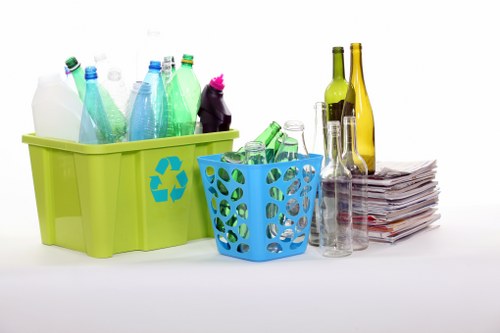
The image features a collection of recyclable waste items on a plain white surface, including a large green plastic bin with a recycling symbol containing several plastic bottles of various shapes, sizes, and colors such as clear, blue, and green, some with caps and labels intact. Next to it is a smaller blue plastic basket with numerous additional plastic bottles, some of which are transparent and others tinted green. To the right, there are several empty glass bottles in shades of green and yellow, along with a neat stack of paper documents or newspapers. The bottles are arranged close to each other, with the paper stack positioned behind the glass bottles, all set against a neutral background. The scene highlights materials typically collected for rubbish removal services in London, emphasizing proper separation of plastics, glass, and paper for recycling, relevant to Waste London’s waste management and rubbish collection solutions in the local area.

Training and Awareness

All staff involved in procurement, operations and contractor management receive training on spotting signs of exploitation, reporting concerns and implementing mitigating actions. Training is refreshed annually and tailored for roles with higher exposure to modern slavery risks.
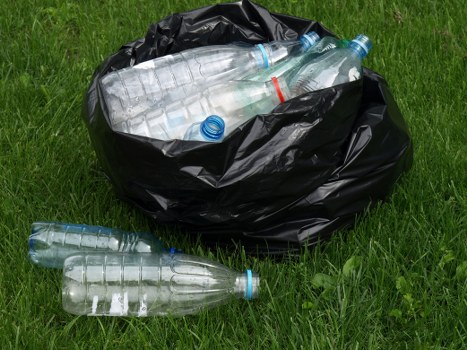
A black plastic rubbish bag placed on a grassy surface outdoors, partially filled with clear plastic water bottles, some with blue caps and others with red or white markings. Several bottles are spilling out from the top of the bag, resting on the green grass beside it. The background features a well-maintained lawn with small patches of grass and weeds visible around the bag and bottles. The scene suggests a collection of recyclable plastic waste awaiting removal or disposal, typical of site clearance or rubbish collection services in the London area. The lighting indicates natural daylight, illuminating the textures of the plastic bottles and the glossy finish of the rubbish bag. This image aligns with Waste London's offerings in rubbish removal, demonstrating typical waste items that may be collected from residential or commercial properties in the local postcode area.

Reporting Channels and Whistleblowing

Waste London provides multiple secure reporting channels for employees and suppliers to raise concerns about suspected slavery or trafficking. Reports may be raised anonymously and are treated sensitively. We ensure there is no retaliation against anyone who in good faith reports potential breaches of our anti-slavery standards. Our internal investigation process is swift, confidential and documented.

A person's hand holding a clear plastic soda bottle with the cap removed, positioned in the foreground of the image. In the background, another individual wearing a green top and a wristwatch is seen holding a green plastic bottle, with a blue recycling bin filled with crushed and partially flattened bottles and other plastic waste situated behind them on a grassy outdoor area. The scene is set on an outdoor surface, likely a driveway or garden space, with natural lighting suggesting daytime. This image visually represents waste collection and recycling activities, relevant to rubbish removal services provided by Waste London in the local area. The focus on plastic bottles and recycling demonstrates environmentally conscious waste disposal, consistent with waste management operations in urban or suburban environments around London postcodes.

Remediation and Enforcement

Where instances are confirmed, we undertake proportionate remediation measures, prioritising the safety and welfare of affected individuals. Remediation may include termination of offending arrangements, support for victims and collaboration with authorities. Enforcement actions are recorded and used to strengthen policies and supplier selection criteria.

Annual Review and Continuous Improvement

Annual review of this anti-slavery statement and our associated policies is conducted by senior management and reported to the board. We evaluate the effectiveness of our modern slavery policy, supplier audits, training and reporting mechanisms. Findings drive continuous improvement through updated procedures, enhanced risk assessments and targeted supplier engagement.

Conclusion: Waste London is committed to preventing modern slavery in all forms. Our modern slavery statement, zero-tolerance policy, supplier audits, robust reporting channels and annual review process combine to create practical safeguards that protect people and ensure ethical procurement across our operations.

Waste London

Waste London declares a zero-tolerance modern slavery statement with supplier audits, secure reporting channels, remediation measures and an annual review to ensure continuous improvement.

Get a quote

Get In Touch With Us.

Please fill out the form below to send us an email and we will get back to you as soon as possible.