Waste London in London
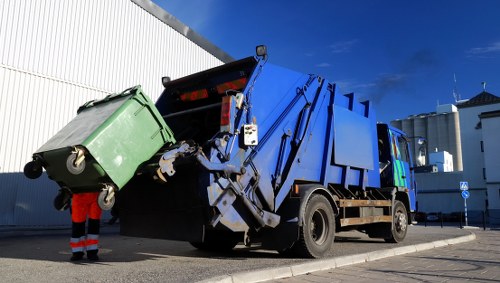
Waste London provides commercial waste collection in London for businesses that need regular, ad hoc or one-off removal of refuse and recyclable material. Our service is built around clear loading, responsible transfer and practical scheduling, so offices, shops, hospitality venues, landlords and contractors can keep spaces usable without building up excess waste. From mixed black bag waste to segregated recycling streams, the focus is on an orderly collection service that fits normal working routines.
We work across a broad mix of commercial premises, so the service can be shaped around different waste profiles rather than treating every site the same. A warehouse may need bulkier packaging waste removed, while a restaurant may need routine uplift of general rubbish and food-related refuse, and an office may mainly require paper, card, redundant furniture or occasional clear-outs. The useful point is that the collection should match the type of waste produced, the access available and the frequency needed to keep operations moving.
Commercial waste is easier to manage when the system is straightforward. That is why our service is organised around sensible separation, efficient lifting and responsible disposal, with options that can cover mixed waste, recyclable materials and larger one-off clearances. If you are comparing providers, think first about the type and volume of waste you need removed, then the practical access to the site, then how often collection is likely to be needed. Those details make it easier to choose the right service structure and request a quotation.
Commercial waste collection for day-to-day operations
Every business produces waste differently, and the best collection arrangement depends on what leaves the premises, how often it builds up and where it is stored before uplift. Some sites mainly need help with everyday rubbish, while others generate packaging, office fittings, archived paper, display materials or end-of-life items that need separate handling. The service is intended to keep those routines practical rather than disruptive, with removal planned around the waste stream rather than forcing the business to adapt to a fixed pattern that does not suit it.
For many customers, the value of a commercial collection service lies in consistency. General waste, recyclable paper and card, broken small items, non-hazardous fittings and unwanted stock can often be collected together or separated as needed, depending on the site setup. Commercial waste collection can therefore support both routine maintenance and occasional larger clear-outs, provided the waste is lawful to remove and the access arrangement is clear. When the material includes bulky items or office contents, it is usually best to describe the load carefully so the collection can be planned properly.
We also work with businesses that need collection from particular districts or premises types. That can include a single site or a wider portfolio where the waste profile changes from one location to another. For example, a managed building may require a different approach from a busy shop or a hospitality venue. Commercial waste collection in Westminster is one of many local pages that can help customers find a more specific area option when they want the service described in closer geographic terms.
What can be removed from business premises

Commercial waste collection often covers material that is awkward to store, inconvenient to transport or too much for normal bins. Typical removals can include bagged rubbish, cardboard, packaging, shelving components, broken office furnishings, redundant stock, and other non-hazardous waste generated by day-to-day trading. Where appropriate, recyclable material can be separated from general waste so the load is managed in a more ordered way, and larger objects can be lifted without the customer having to reorganise the whole premises.
Not every item belongs in a standard waste collection, so it helps to be precise about what needs removing. Some materials require specialist handling, while others may be suitable for a different disposal route or a separate collection. Commercial waste disposal is a useful related option for customers who want the end stage of the process set out clearly, especially when they are trying to plan around compliance, segregation or recurring waste streams. The better the description of the load, the easier it is to match the right route to the right material.
Businesses often also want a service that covers the practical aftermath of a move, refit or stock change. That may include mixed items from store rooms, surplus fittings, promotional material, damaged goods or furniture that has reached the end of its life. Commercial waste collection in Camden is an example of a location-specific page that can sit alongside the main service when a customer prefers to approach the work as a localised business collection rather than a general one.
How collection is planned around access and load type
Planning a commercial collection is usually about practical detail rather than complexity. Access to the site, the size and shape of the waste, floor level, parking considerations and the presence of any lifts or stairways can all affect how the work is arranged. The aim is to remove waste efficiently without causing avoidable disruption to staff, customers or neighbours. A clear picture of the load and site layout makes it easier to decide whether a simple collection, a broader clearance or a more staged removal is the most suitable choice.
Two details are especially helpful when arranging the work: what is being removed, and where it is located. If waste is spread across several rooms, a loading bay, a basement or a service yard, the collection can be scheduled more sensibly when that is made clear at the outset. It is also useful to note whether the material is already bagged, boxed or loose, because that affects handling. Pricing and quotes gives customers a straightforward way to explore how the cost may vary with volume, labour and disposal requirements.
For regular commercial users, the same location may need recurring uplift of different waste streams across the week or month. In those cases, it helps to think about separation, storage and timing together rather than as separate tasks. Well-organised waste handling is often simpler for the business and clearer for the collection team, which in turn reduces the chance of delays. If you already know the approximate amount, the access route and the type of waste, you are in a strong position to request a quotation.
Business waste removal for offices, shops and venues
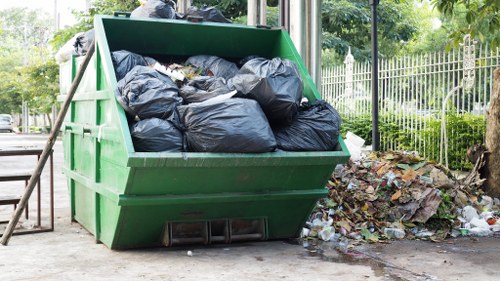
Business waste removal can cover a wide range of premises, from small offices to larger retail units and customer-facing venues. Office waste may involve paper, packaging, broken chairs, old storage items or redundant equipment that no longer serves the workplace. Retail and hospitality sites may need collection of packaging, stockroom waste, fixtures, promotional materials or items that have been replaced as part of a refit. The service needs to remain flexible, because the load changes with trading patterns, refurbishments and seasonal pressure.
Business waste removal is most useful when the customer wants an approach focused on commercial premises rather than household-style clearances. That distinction matters because business waste can be generated in larger volumes, stored differently and handled in a more routine way. When businesses build the service around their own operating pattern, they can reduce clutter, maintain safer back-of-house spaces and keep storage areas easier to manage. It is a practical choice for companies that need removals without turning the process into a major project.
Some customers will find that a broader collection page is enough, while others want the service described by property type or end use. That is why the site includes pages for different commercial contexts and localities, allowing the customer to move from the general service to a more specific page when needed. Commercial waste disposal and related collection pages can help frame the job more clearly, especially when the customer is comparing removal of mixed waste, recyclable materials or bulkier items before making an enquiry.
Clearances, bulky items and one-off commercial projects
Not all business waste is routine. Some jobs are better treated as clearances because the material has accumulated over time, been left behind after a move, or built up as part of an office, shop or storage room change. In those cases the work may involve sorting, lifting and removing a larger volume of items in one visit rather than returning for a small ongoing service. A clearance-based approach can be useful when the space has become difficult to use and the waste needs to be cleared in a practical order.
Office clearance is a relevant option where desks, chairs, filing units, monitors, storage pieces and similar items need to be removed from a workplace. Although each site is different, office clearances often need sensible sequencing so that access routes stay open and the removal does not interfere too heavily with everyday operations. If a business is replacing furniture, consolidating rooms or vacating premises, this type of service can be more appropriate than a simple bin-side collection.
Customers who need a broader removal of furnishings or stored items may also consider a more general page such as furniture removal and collection. That can be useful where the waste load includes mixed business furniture rather than a single item type. The key question is whether you need a routine uplift, a targeted item removal or a wider site clearance. Answering that before you enquire makes it much easier to match the right service to the job.
Recycling, segregation and disposal routes
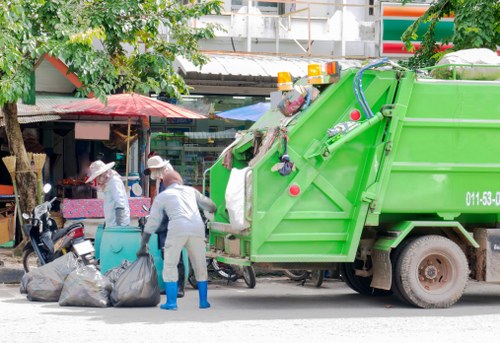
For many businesses, the decision is not just about removing waste but about handling different materials in an organised way. Cardboard, paper, plastics, metals, mixed packaging and non-recyclable rubbish may all arise from the same premises, yet each may need a different disposal route. Good waste management does not always mean keeping everything separate at source, but it often does mean choosing a collection method that recognises what can be diverted from general waste and what cannot. That is especially important for businesses trying to keep their waste handling sensible and tidy.
Recycling and sustainability is a useful supporting page for customers who want to understand how waste streams can be managed with more attention to reuse and diversion where appropriate. The practical point is simple: not every item goes to the same place, and a clear collection plan can make it easier to separate materials in a way that fits the site. For commercial customers, that may involve setting aside cardboard, moving clean recyclable material into a designated area or identifying items that need a different disposal route.
Waste type also affects how the service is arranged. Bulky items may need more handling, awkward items may need a different loading method and mixed waste may need more sorting before transfer. Waste recycling and related pages can help customers think through the material itself, while the collection service deals with the physical removal. If you are preparing a request, it is usually enough to note the main waste types, approximate volume and access details, then ask for a quotation based on those facts.
About London
London is the capital of England and the United Kingdom, a city shaped by centuries of political, commercial and cultural development along the River Thames. Its historic core grew from the Roman settlement of Londinium, and traces of that long history still sit beside modern finance districts, civic buildings and dense residential neighbourhoods. The city is arranged through a patchwork of boroughs and districts, each with its own streetscape, from the formal spaces of Westminster to the lively urban grain of areas such as Shoreditch, Camden and Southwark. The Thames remains one of the most defining features of the city, with bridges, embankments and riverside paths linking both banks. Landmarks such as the Tower of London, St Paul’s Cathedral, the British Museum, the South Bank and the Houses of Parliament stand alongside markets, theatres, galleries and parks that give the city its varied character. Green spaces are woven through the urban fabric, including Hyde Park, Regent’s Park, Hampstead Heath and smaller squares and commons that provide relief from the built environment. Transport is equally central to London’s identity, with the Underground, rail termini, buses and river services forming a network that connects neighbourhoods across a wide and often busy metropolitan area. Architecture in London ranges from medieval fragments and Georgian terraces to Victorian civic buildings, post-war estates and contemporary high-rise development. That mix gives many streets a layered appearance, where older façades, restored frontages and newer commercial buildings sit close together. Cultural life is similarly broad, supported by museums, libraries, music venues, markets and theatres that draw both residents and visitors. The city’s scale, diversity and constant adaptation make it one of Europe’s most recognisable urban centres, while its local districts still retain individual identities within the wider whole.
Choosing the right collection for your premises
Businesses often benefit from thinking about waste in terms of purpose rather than simply volume. A collection may be needed to clear a store room, empty a back office, remove excess packaging, or manage waste generated by a fit-out, relocation or seasonal change. The most suitable service depends on whether the material is part of ordinary trading, whether it includes larger items, and whether it needs to be removed in one visit or as a recurring arrangement. Matching those requirements early helps keep the process straightforward.
Commercial waste collection in Brixton is one example of a local route for customers who want the service tied to a particular district. Similar area pages can be useful when a business operates from a known locality and prefers to request the most relevant page rather than a generic one. The pages do not need to be complicated; they simply help customers reach the service description that best matches where the work is taking place and the type of collection needed.
For many enquiries, the most useful preparation is brief and factual. It helps to note the type of waste, whether it is bagged or loose, the location within the premises and any access points that matter. A short description is usually enough to begin. When you are ready, request a quotation with the waste type, quantity and collection location. That gives the team enough information to understand the job and respond with a sensible proposal.
Commercial waste support for ongoing and one-off needs

Some businesses need waste collection as part of a regular routine, while others only need help when a storage area fills, a move approaches or an office, shop or unit is being reorganised. Both situations benefit from a service that is clear about what can be taken, how the material will be loaded and what the customer needs to describe in advance. Whether the job is occasional or more frequent, the goal is to make the removal practical and to reduce the build-up of items that no longer serve the premises.
Waste collection is a straightforward general page for customers who want to see the wider service family alongside commercial options. It can sit beside more specific pages such as commercial collection, disposal or clearance pages, helping customers decide whether they need a regular uplift, a broader removal or a more targeted item-based service. Where the load includes furniture, mixed refuse or recycled material, the choice of page should follow the nature of the waste rather than a generic assumption.
If you are comparing options across the site, look first at the most relevant service, then at the local or specialist page that best reflects the job. That keeps the enquiry focused and avoids unnecessary back-and-forth. The simplest next step is to ask for a quotation once you know the waste type, access details and approximate volume. A clear description at the start makes it easier to move from planning to collection without confusion.